
Who Pays on a First Date? A Simple, Fair Way to Decide
Dating advice
5 min read
Handle the first-date bill without awkwardness: clear ways to offer, split, respect different budgets and keep money from becoming a test.
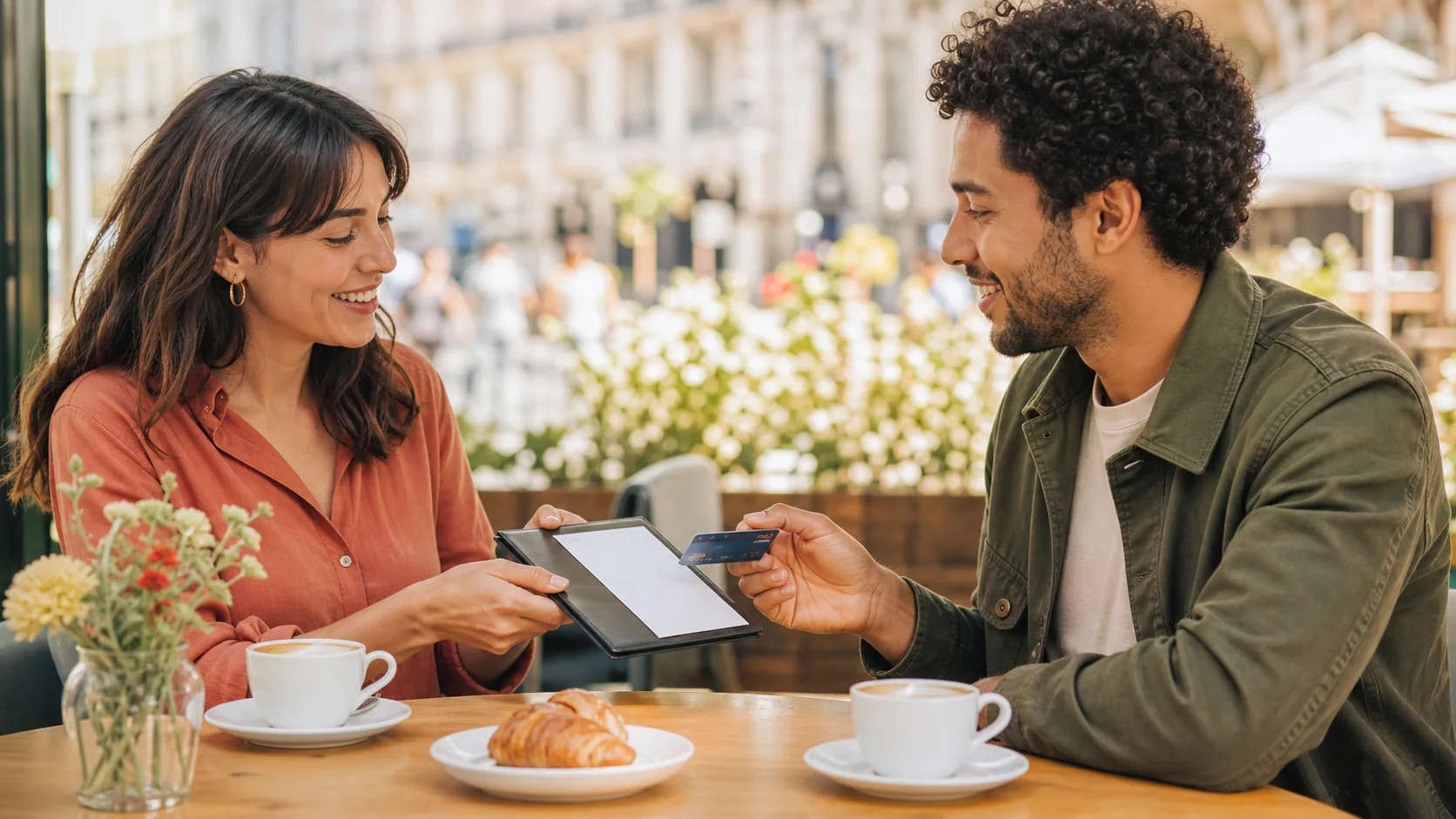
The bill arrives after a good first date, and suddenly a small practical decision can feel like a referendum on interest, generosity or gender roles. It does not need to carry that much weight. There is no universal rule about who pays on a first date. The fairest approach is the one both people can understand, afford and choose without pressure.
A useful default is simple: arrive prepared to pay for yourself, offer clearly, and accept the other person’s answer without turning the bill into a test. How you handle the conversation says more than which card reaches the reader.
Start with what was actually invited
Wording creates expectations. “Can I take you to dinner?” often sounds like the inviter intends to treat. “Would you like to meet for coffee?” is more neutral, so splitting or each paying for their own order is reasonable. Neither phrase creates a debt, but clarity prevents surprises.
If you selected an expensive venue, say what you mean before the date: “I’d love to take you there—my treat,” or “It is a little pricier than our other options; are you comfortable splitting it?” Better still, choose an activity that works for both budgets. Our guide to choosing a first-date activity can help.
Use one clear offer, not a performance
When the bill comes, avoid the silent card race. Try one direct sentence:
“I’m happy to get this, if that feels comfortable for you.”
If you would rather split:
“Shall we split it?”
If your date offers to pay but you prefer to cover your share:
“Thank you—that’s kind. I’d feel better paying for mine.”
A considerate person can make an offer and hear a no. Repeatedly grabbing the bill after someone has expressed a preference stops being generous; it becomes pressure.
Splitting is not a sign that the date failed
Paying separately can be the cleanest first-date arrangement. You are still getting to know each other, incomes may differ, and many people feel more relaxed when no one owes anyone anything. A split bill does not prove a lack of romantic interest, just as paying the whole bill does not prove serious intentions.
Do not use money to decode chemistry. Look instead at the full date: Was the conversation reciprocal? Did they respect your time? Did you both seem curious about meeting again? Those are stronger green flags than who paid for two coffees.
An exact 50/50 split is not always fair if one person ordered much more. In that case, ask for separate bills or say, “I had the cocktails, so let me cover those.” Fairness is about the real cost, not perfect arithmetic.
Treating someone should stay a gift
It is completely fine to pay because you invited them, chose the venue or simply want to. Do it without attaching an expectation of a kiss, another drink, going home together or a second date. Paying is a gesture, not a contract.
The person being treated can say thank you without promising anything in return. “I’ll get the next one” is lovely if you genuinely want another date, but do not say it only to soften the moment. If you are unsure, a sincere “Thank you, I appreciate it” is enough.
Plan around budget differences early
You never need to disclose your salary to suggest a cheaper date. Say, “I’m keeping things low-key this week—would a walk and coffee work?” A thoughtful match will collaborate rather than make you defend your budget.
If someone proposes somewhere beyond what you want to spend, offer a concrete alternative nearby. VOOZE’s real-plan approach works best when the activity, place and time fit both people—not when one person feels trapped by the price after arriving. A public park, gallery, market or single-drink plan can create just as much connection as dinner.
Budget pressure is useful information. Mocking a less expensive idea, ordering for you, or insisting on a costly venue while refusing to discuss payment are red flags. Compatibility includes how you talk about ordinary constraints.
Handle awkward situations calmly
If a venue cannot split the bill, one person can pay while the other transfers their share. Confirm the amount without making the server wait through a debate. If payment fails, treat it as a practical problem, not a character judgment: try another card, transfer money, or agree on a specific repayment.
If your date orders freely and then announces that you are paying, you can hold your boundary: “I didn’t agree to cover both of us. I’m paying for what I ordered.” Ask staff for help separating the items if needed.
Never remain somewhere, accept physical contact or continue a date because someone paid. If money is used to pressure or shame you, leave safely. The same principle appears in our first-date safety guide: keep enough money and a way home so your exit never depends on your date.
What the bill can actually reveal
The amount matters less than the behaviour around it. Good signs include stating a preference without embarrassment, respecting the other person’s choice, choosing within a shared budget, thanking someone who treats, and solving a mix-up without blame.
Be cautious when someone turns payment into a gender test, keeps score, flaunts spending, shames your order or claims that buying something gives them access to you. That is not etiquette; it is entitlement.
Make the date affordable enough to enjoy
The easiest bill conversation begins before anyone orders. Choose a plan you could comfortably pay for yourself, make any invitation to treat explicit, and keep the first meeting modest enough that either answer feels manageable.
VOOZE puts a real activity, place and time at the centre of dating. Add one more practical detail: a plan that respects both budgets. Offer once, communicate plainly and remember that mutual respect—not the receipt—is what makes a first date worth continuing.